The mathematical reality of a North London collapse
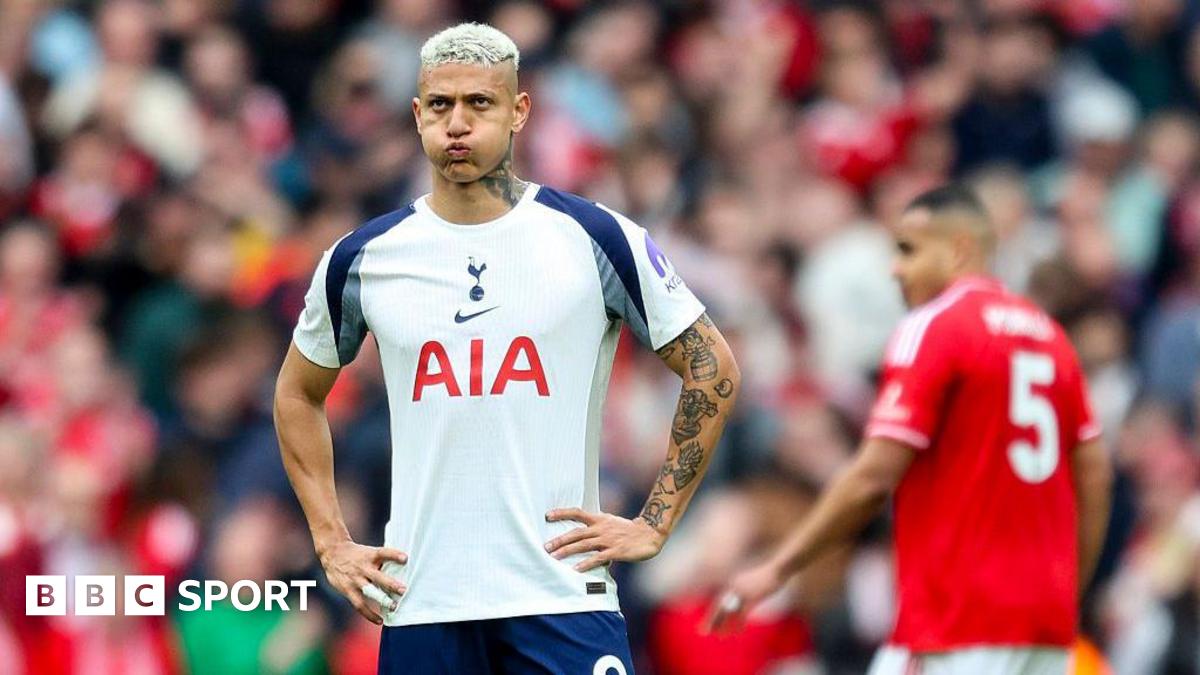
Tottenham Hotspur are winless in the league this calendar year. Take a second to process the gravity of that statement. We are nearly three months into 2026, and a club with Champions League aspirations has managed to collect just 5 points from a possible thirty. The descent from top-four contenders to relegation fodder hasn't been a gradual slide; it has been a vertical drop into an abyss that the club's board seems entirely unprepared for.
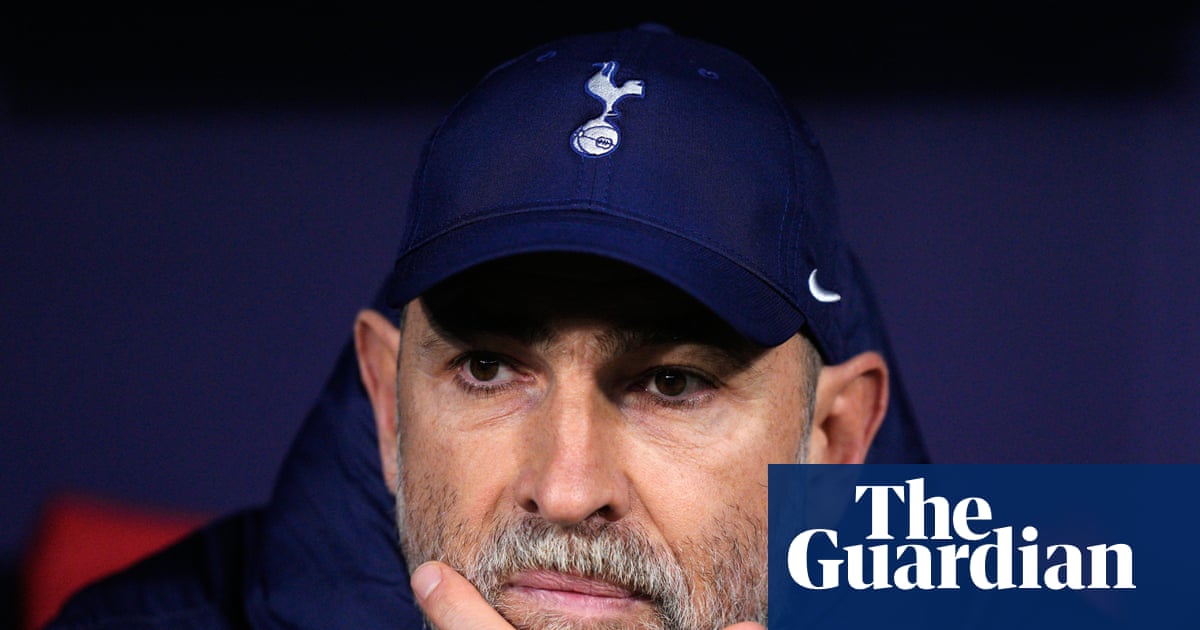
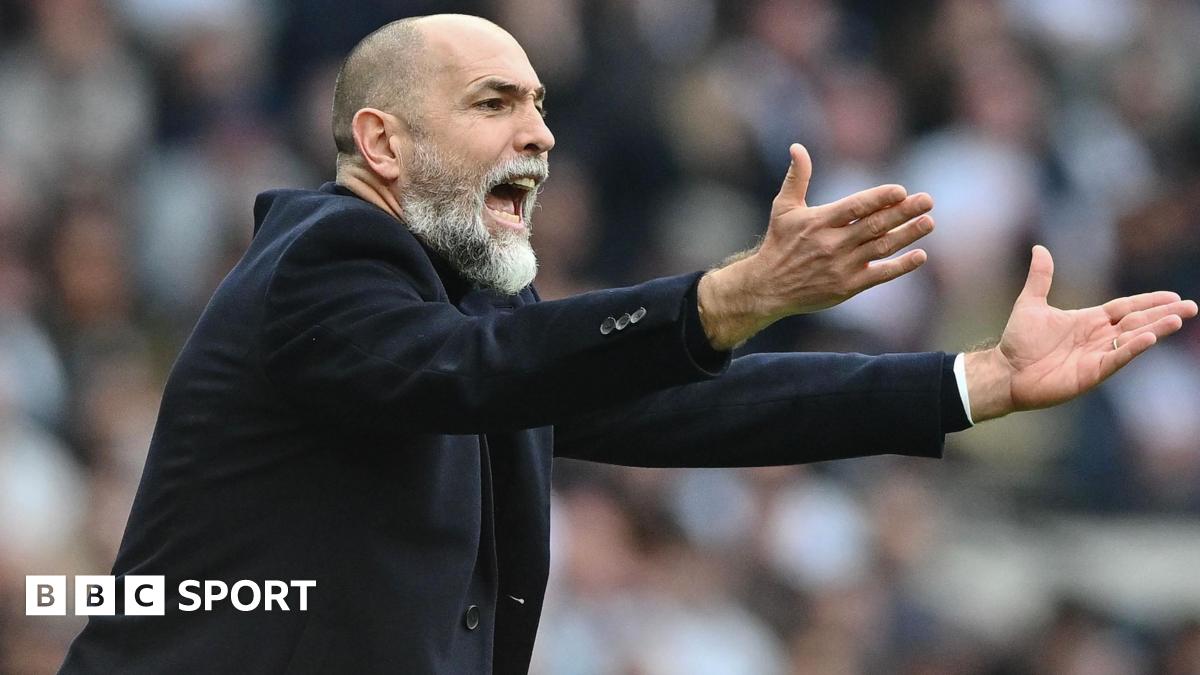
The Igor Tudor experiment was supposed to provide a tactical jolt to a squad that had grown stagnant. Instead, it provided a terminal shock. Tudor lasted exactly five games—a 44-day tenure that will be remembered as one of the most expensive and least productive stopgaps in Premier League history. As BBC Sport recently highlighted, Tudor’s tactical rigidity in the face of a mounting injury list was nothing short of professional negligence. He insisted on a high-intensity man-marking system with a squad that Jonathan Wilson rightly points out is physically spent.
We are witnessing the convergence of two fatal trends: a squad that has stopped running and a management structure that has stopped thinking. Danny Murphy has already started beating the drum for Sam Allardyce to be brought in to steady the ship. It is the classic English reflex—when the house is on fire, call the man who specializes in controlled demolitions. But this Spurs squad is not built for an Allardyce rescue mission. You cannot ask players who have spent three years learning to play through the thirds to suddenly embrace the percentages of a low-block 4-4-2.
The fatigue factor and the myth of honest endeavour
In his latest analysis, Jonathan Wilson notes that Premier League players are no longer covering the distances of old. This isn't a lack of effort; it is a biological adaptation to a schedule that has become a war of attrition. Tottenham’s players look like they are running through treacle because they are. The squad has been asked to maintain a high-line press while playing twice a week for eighteen months. The result is a team that lacks the explosive power required to make Tudor’s 3-4-2-1 functional.
Look at the data from the last three matches. Spurs are consistently being out-sprinted in the final twenty minutes. They are conceding goals not because of structural errors in the first half, but because their recovery runs have slowed to a walk by the 87th minute. It is a physical collapse that no amount of touchline shouting can fix. The honest endeavour that the English game prizes so highly has been replaced by a desperate search for oxygen.
This fatigue makes the prospect of an Allardyce appointment even more questionable. To play for Big Sam, you need a specific kind of functional fitness—the ability to hold a line and win second balls for ninety minutes. Spurs currently have a midfield that can’t win a first ball, let alone a second. They are a team caught between two identities, and in the Premier League, that is a recipe for Championship football. The sack race is heating up, and while Arteta and Amorim remain under pressure, the situation at Tottenham has moved beyond mere pressure into the realm of existential dread.
The Valverde prototype and United's ten-million-pound mistake
While Spurs flail, Thomas Tuchel is busy building his England project, and his recent comments on a certain former Manchester United midfielder have sent shockwaves through the North West. Tuchel has labeled a player United sold for just £10m as England’s "mini Valverde." It is a damning indictment of United’s recruitment and a perfect example of what Tottenham is currently missing: a high-volume, tactically intelligent engine in the middle of the pitch.
The player in question—a dynamic box-to-box presence who was discarded during United’s last clear-out—is exactly the type of profile that could have bridged the gap between the defense and the attack during the Tudor era. Instead, Spurs are left with a collection of specialized tools that don't fit the current job. They have creative 10s who can't track back and holding midfielders who can't progress the ball. They lack the versatility that Tuchel prizes, and it shows in their inability to adapt when a match-plan goes south.
Recruitment errors like these are magnified during a relegation battle. When you look at the top individual seasons in Premier League history, you see names like Henry, Suarez, and Mohamed Salah’s remarkable 2024/25 campaign. These were seasons defined by players carrying their teams through moments of collective failure. Spurs have no such talisman. Son Heung-min is aging, and the supporting cast has failed to provide any consistent goal threat since the turn of the year. They are bottom-five in xG created since January 1st, a statistic that should keep the board awake at night.
The Madrid vacuum and the elite exodus
The league is also facing a talent drain that will only make the path back to the top harder for clubs like Spurs. Real Madrid are reportedly thundering ahead with a move for Rodri, a transfer that has apparently been greenlit by the player. If the best defensive midfielder in the world is looking for an exit strategy from the Premier League’s physical grind, what does that say about the state of the competition? The "endless schedule" isn't just breaking bottom-half teams; it is driving the elite away to leagues where they can manage their minutes.
For Spurs, this is a secondary concern, but it highlights the narrowing of the gap. The middle class of the Premier League is being hollowed out. You either have the depth to rotate and survive, or you are one injury crisis away from a 44-day disaster like the one we just witnessed. While Hearts in Scotland can ride a wave of momentum and be seen as "better than the sum of their parts," Spurs are currently significantly worse. They are a collection of expensive individuals who look terrified of the ball.
The upcoming fixtures offer no respite. Every opponent sees Spurs as a wounded animal. There is no fear factor left at the Tottenham Hotspur Stadium. The crowd is toxic, the players are exhausted, and the management is non-existent. Bringing in Sam Allardyce would be a final roll of the dice, but it feels like the dice are already loaded against them. You cannot coach a team out of a physical and mental burnout of this magnitude in six weeks.
A prediction of more pain in N17
The next match is not just about points; it is about dignity. But dignity is in short supply in North London right now. The tactical preview for their upcoming encounter is grim. Expect a low block from the opposition and a Spurs team that dominates possession without ever threatening the penalty area. They will move the ball in a predictable ‘U’ shape, unable to penetrate the lines, before being caught on a 3-on-2 counter-attack in the second half. It is a script we have seen repeated five times under Tudor and twice under the interim staff.
My prediction is another toothless 2-0 defeat. The goal-scoring burden is too heavy for a midfield that has forgotten how to contribute, and the defense is too fragile to keep a clean sheet. Sam Allardyce might provide some improved set-piece organization, but he cannot provide the legs that this squad lost three months ago. The math is simple: if you can't run and you can't score, you can't stay up. Tottenham are about to find out exactly how much that £10m mistake and the Tudor appointment will cost them in the long run.
There is no light at the end of the tunnel here. Only more tactical confusion and the very real prospect of playing Championship football in the finest stadium in the world. The fall of Tottenham is no longer a joke; it is the most compelling and tragic tactical story of the 2025/26 season. They are out of time, out of ideas, and very nearly out of the Premier League.
Read Next
- Man United stars vote for Michael Carrick as Spurs collapse triggers £43m raid
- The international break just broke the Premier League title race
- The £20m sliding door that doomed Manchester United to a decade of debt
- How Ceri Holland exploited Everton's fatal defensive flaws in derby demolition
- 🏆 Europa League Final 2026 — Full Coverage Hub