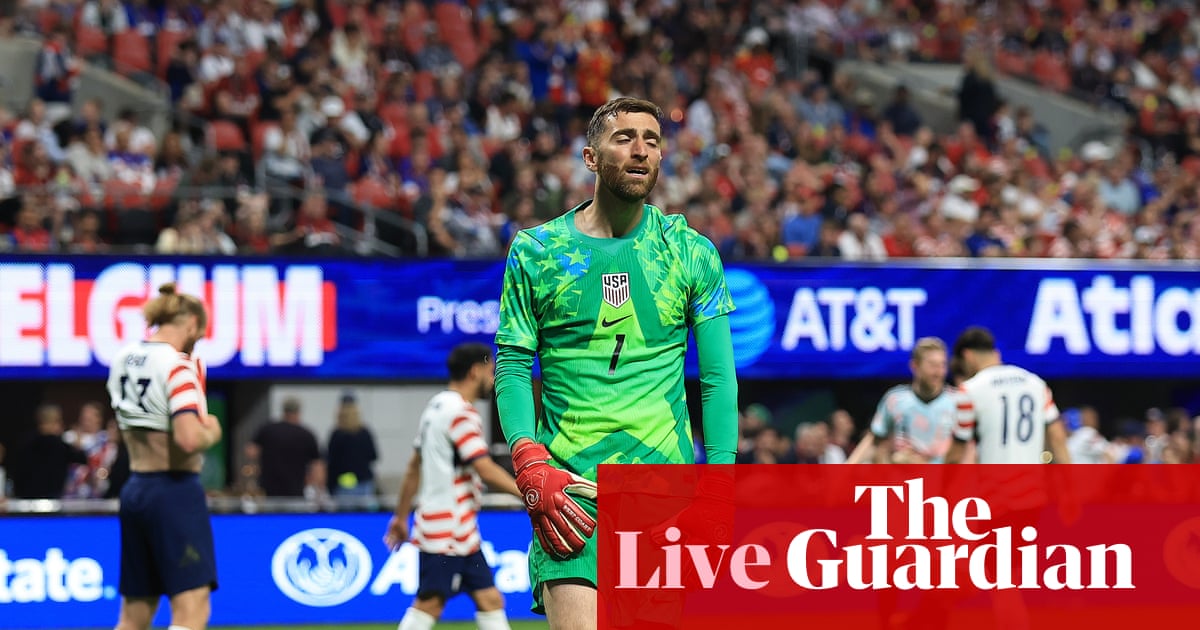
USMNT’s tactical identity crisis is peaking at the worst possible time
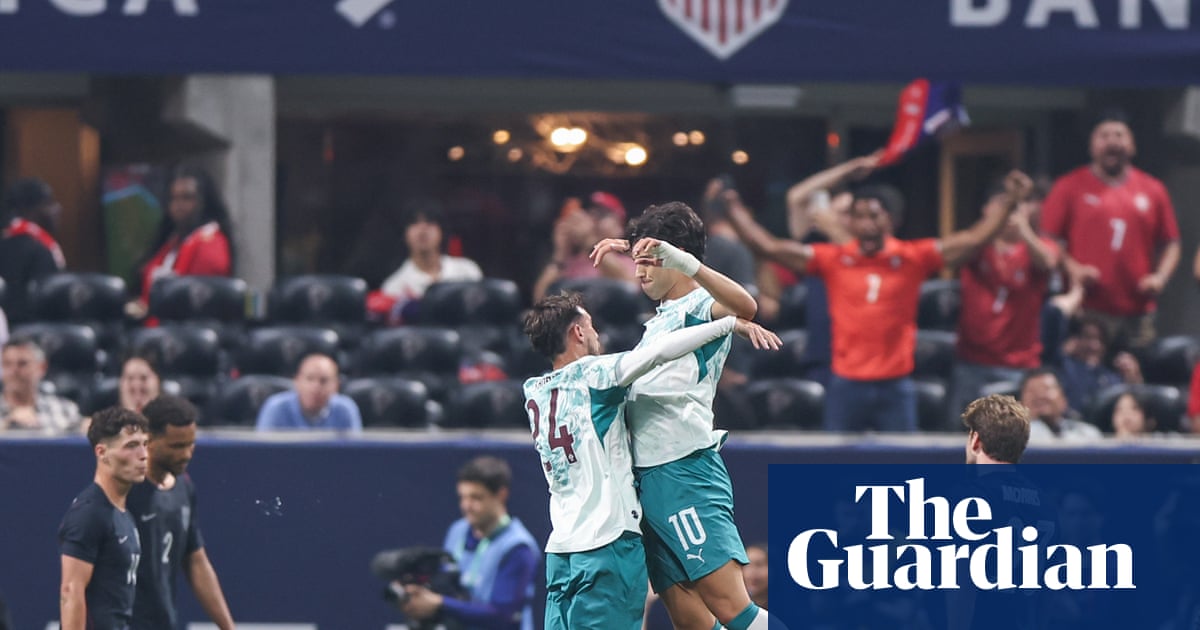
Tactical stagnation in Atlanta
The 2-0 defeat to Portugal inside Mercedes-Benz Stadium was not merely a loss of rhythm but a total failure of intent. Gregg Berhalter tried to force Christian Pulisic into a pure attacking role that left the USMNT isolated in transition. Pulisic, usually a pivot point for progress, looked detached from the midfield engine room for most of the first half.
The defensive shape was brittle. Finding space between Tyler Adams and the back four turned into a training exercise for the Portuguese midfield. Francisco Trincão opened the scoring in the 22nd minute after a simple lateral pass bypassed the entire US defensive block. It was a failure of spatial management that has plagued this side throughout the spring.
The Pulisic problem
Pushing a primary creator higher up the pitch relies on the remaining components maintaining a defensive lock. That did not happen on Tuesday. Statistics from the match highlight a worrying trend where wide areas were left vacant as fullbacks tucked inside too early during the buildup phase.
We saw this same issue during the recent friendly in Atlanta, where vertical passing lanes were choked off by inefficient spacing. When your captain is playing above the press line, the midfield must provide security. Instead, the US allowed Portugal to control possession with a 62% share in the critical middle third of the field.
Missing the World Cup blueprint
With the roster announcement looming, the lack of a cohesive defensive identity is an absolute disaster. The team looked disjointed, failing to string sequences together that actually threatened the Portuguese goal. Shots on target were limited to speculative efforts from distance that rarely troubled the keeper.
Berhalter has banked on high-intensity pressing, yet the trigger points against Portugal were consistently mistimed. If a player is a millisecond late on the press, the entire defensive structure collapses. We saw the result of this delay in the 38th minute when a missed tackle led to a 3-v-2 break that should have been a goal for the visitors.
Looking ahead to Germany and Senegal
The upcoming schedule provides zero margin for error. Matches against Germany and Senegal offer the final test before the tournament kicks off in June, assuming the current trajectory resets. If the coaching staff doesn't shift the tactical approach to something more compact, the group stage will be a formality for opponents.
Individual quality is not the issue. The squad possesses technical talent, but the lack of structure is killing them. It is difficult to see how this group corrects these fundamental errors in just over two months. The heavy reliance on individual brilliance instead of a functional system makes for a fragile setup that will likely crack under pressure.
One critical observation from the bench: changes were too slow. The second goal felt inevitable because the transition back to defense had been failing for fifteen minutes prior. Passive coaching in a high-intensity period is exactly how you fall out of the win column.
Read Next
- Top 10: The Best of March 2026 International Football
- Top 10: The Defining Moments of Q1 2026
- Top 10: Top Moments
- Predicting the Champions League chaos: Who makes the Munich final?
- 🏆 World Cup 2026 — Full Coverage Hub
- 🇺🇸 USMNT World Cup 2026 — Team USA Coverage Hub
- ⚽ MLS 2026 Season Hub — World Cup Year Guide
Frequently Asked Questions
Why did the USMNT struggle against Portugal?
What led to Christian Pulisic being isolated in the match?
How did the USMNT defensive structure collapse?
When does the USMNT play their final matches before the tournament?
What is the primary concern for the USMNT before the World Cup?
More Coverage

Top 10: Definitive Penalty Moments in Modern Football
2 hours ago
Why AC Milan courting Mauricio Pochettino is a massive gamble
6 hours ago
Top 10: Defining Football Moments of the 2025-26 Season
6 hours ago
Top 10: The Defining Moments of the 2025/26 English Football Season
7 hours ago
The post-football career pivot is the smartest move a veteran can make
13 hours ago
Top 10: The Most Audacious Moments in Modern Football
15 hours agoMore Analysis

Pochettino's USMNT faces a brutal reality check against Portugal
2 months ago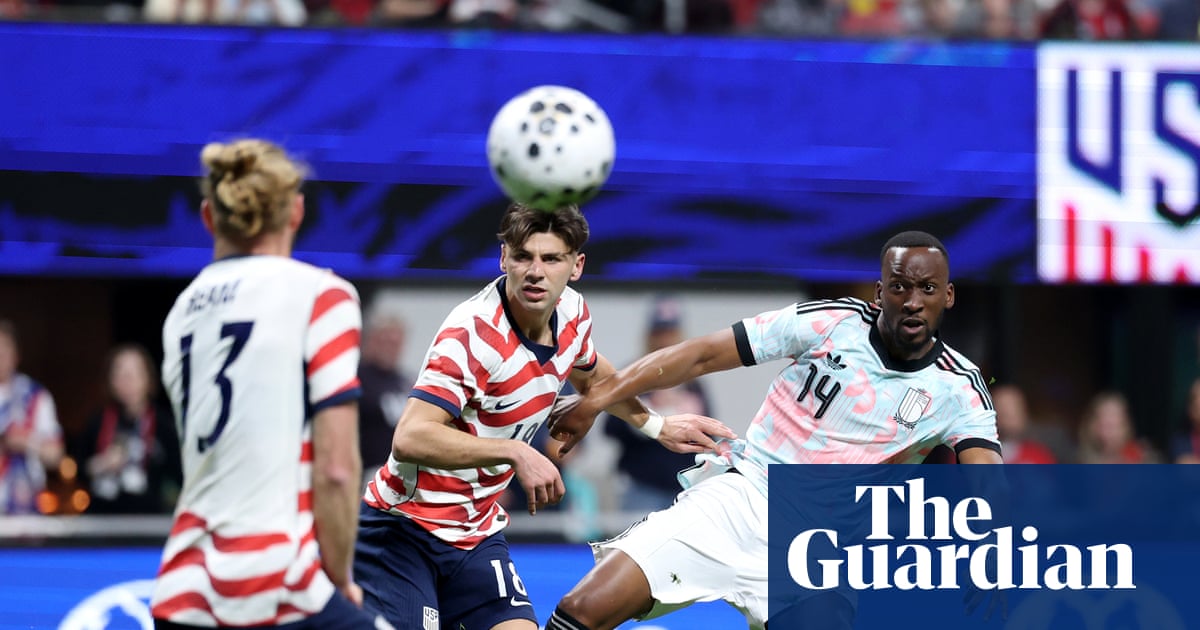
Belgium's 5-2 rout exposes massive USMNT tactical flaws before World Cup
2 months ago
The USMNT defensive collapse makes Portugal a terrifying prospect
2 months agoThe USMNT is walking into a group stage buzzsaw
1 day, 10 hours ago