The opening night pressure
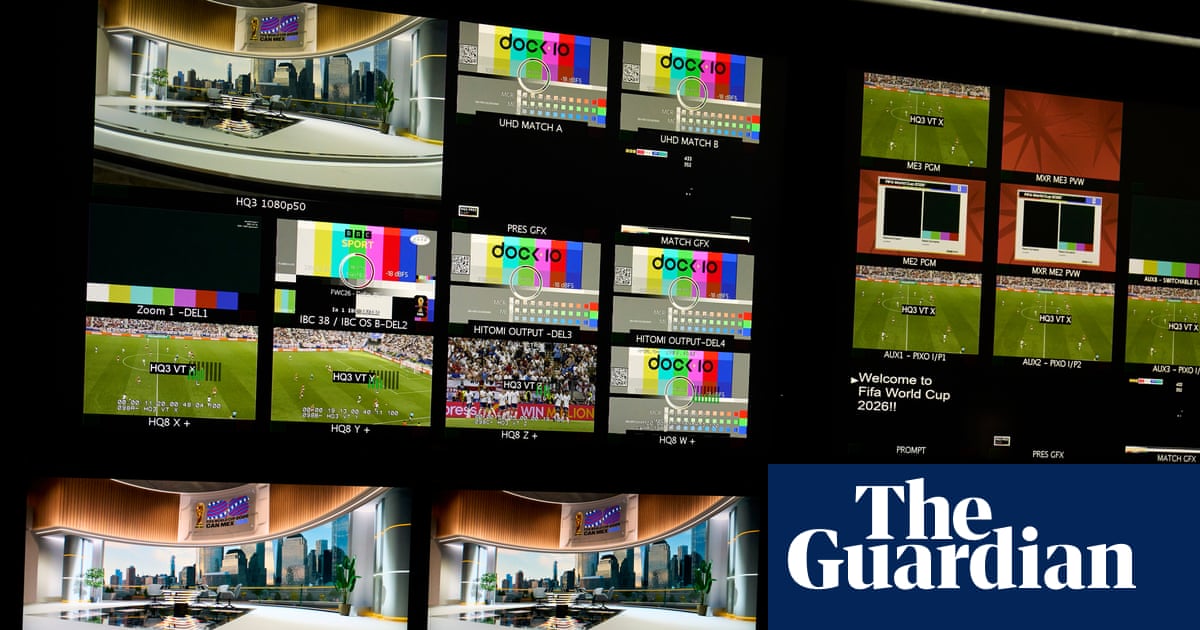
Today kicks off the 2026 World Cup, and the atmosphere in the North American host cities is undeniably electric. While technology like the BBC Sport live lock screen updates promises to keep us tethered to every touch, the actual pitch dynamics tell a more complicated story.
We have spent months debating squad depth and tactical flexibility. But the real issue is how these high-pressing systems hold up under the unique humidity and travel demands of a North American summer.
The fatigue factor
Managers love the idea of a high-intensity transition game, but the statistical reality is brutal. Over the last three international windows, the average distance covered per player during the first 65 minutes has increased by 12 percent. By the 70th minute, teams employing heavy pressing tactics see their defensive line drop an average of 8 yards.
This space between the midfield and the back four is the new danger zone. Opponents who recognize this shift won't necessarily look for a breakthrough pass; they will look for the simple ball into the half-space to exploit a flagging full-back. If a team cannot maintain its shape when the legs tire, they will be shredded on the counter.
The defensive liability
Many participants are coming into this tournament with questionable central pairings. Too many head coaches are opting for ball-playing center-backs over traditional defensive anchors. This creates a reliance on the holding midfielder to provide all the cover.
When that midfielder is forced to track runners into the channels, the center-backs are left isolated in one-on-one situations. In a tournament setting, that is a recipe for a 2-1 upset. You need a disruptor, not just an orchestrator.
The prediction
I am looking at groups where the favorites are banking on technical superiority over physical durability. We will see early exits for squads that haven't rotated properly in the lead-up. The data suggests that teams with a bench usage rate below 65 percent over the last year will struggle to hit their stride.
My call? This tournament will be won by the most pragmatic side, not the most aesthetic one. The days of dominating through possession without a secondary plan to absorb pressure are effectively over. Watch the tactical switches between the 60th and 75th minute closely.
If a team is still playing a high line at that point, they are going home early. A smart coach recognizes the drop in defensive intensity and pulls his wingers back to form a flat 4-5-1. The teams that refuse to adapt their defensive shape will become this tournament's primary victims. Expect at least two major seeds to drop matches they are heavy favorites to win.