The physics of the comeback
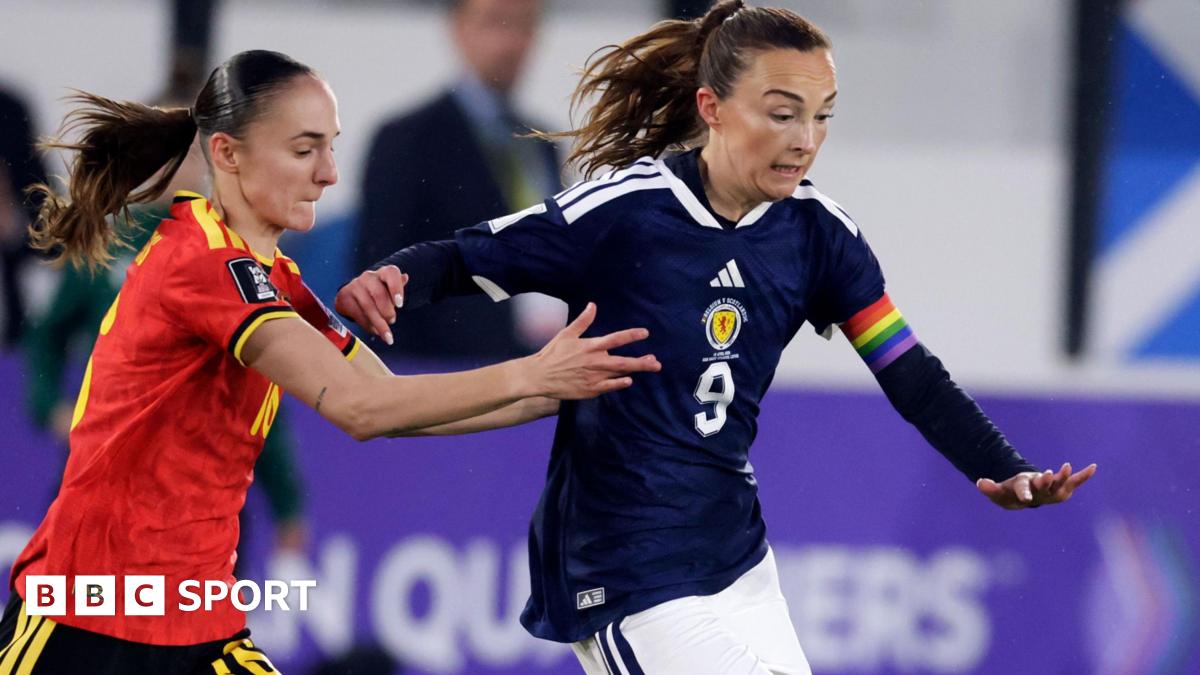
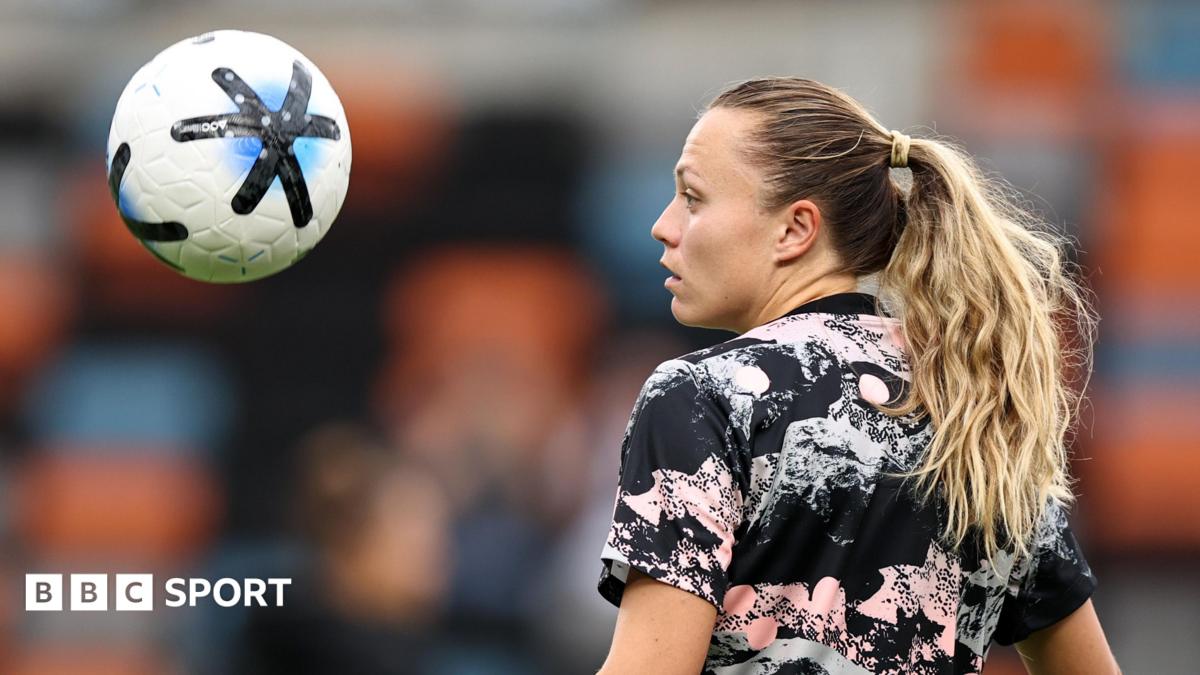
Claire Emslie is currently chasing a spot in the 2027 World Cup finals in Brazil, a target that seemed physically impossible mere months ago. She returned to competitive action just five months after giving birth. Most athletes take a year to manage the structural load of top-flight football after childbirth. Watching her sprint down the flank in recent qualifiers, you wouldn't guess she was navigating major physiological shifts as recently as January.
This isn't just about willpower. It is a data point in a broader shift in how women’s football staff treat postpartum return-to-play protocols. We have moved from outdated bed-rest recommendations to proactive loading and nerve-adaptation programs. The BBC reporting on Emslie's timeline highlights a shift in expectations for the modern professional.
Why the qualifying path remains brutal
Despite the medical breakthroughs, Scotland’s road to Brazil is littered with tactical obstacles. The intensity of international tournaments demands a depth of bench that Scotland currently lacks. When Emslie is playing at 90 percent physiological capacity, she carries the team’s attacking transition. If that engine fails, there is no plan B.
We are three days out from the 2026 World Cup kickoff, and the attention is understandably on the men's game. However, the rigor being applied to the women's qualifying cycles is far higher. The margin for error in the UEFA qualifiers is razor-thin. Scotland’s reliance on individual heroics, while romantic, is a structural failure in team planning. You cannot rely on a single player’s recovery miracle to secure a tournament spot.
The prediction
I am locking in a disappointing finish for Scotland in the final standings. While Emslie’s personal battle is a 10/10 level of commitment, the team’s conversion rate in the final third has stagnated. Against physical, low-block defensive sides, their lack of variety in the midfield leads to predictable cycles of possession that fizzle out before reaching the box.
The physical toll on players hitting these compressed timelines will become a negative factor by matchday six. Expect a late-campaign slump where tired legs drop points in crucial 0-1 losses. It is an impressive narrative, but elite football rarely rewards the underdog story that relies on historical outliers in recovery speed. They will likely miss the cut, finishing 3rd in a group that requires perfection to escape.
Read Next
- Top 10: Most Disruptive Moments in Modern Football Preparation
- England’s World Cup prep is looking like a total car crash
- Diplomatic friction is already looming over the 2026 World Cup
- Top 10: Definitive Moments of the Scotland Set-up Under Steve Clarke
- 🏆 World Cup 2026 — Full Coverage Hub
- 🏴 Scotland World Cup 2026 — Tartan Army Hub
- 🇧🇷 WC 2026 Group C — Brazil, Morocco, Scotland, Haiti