The boardroom noise fades
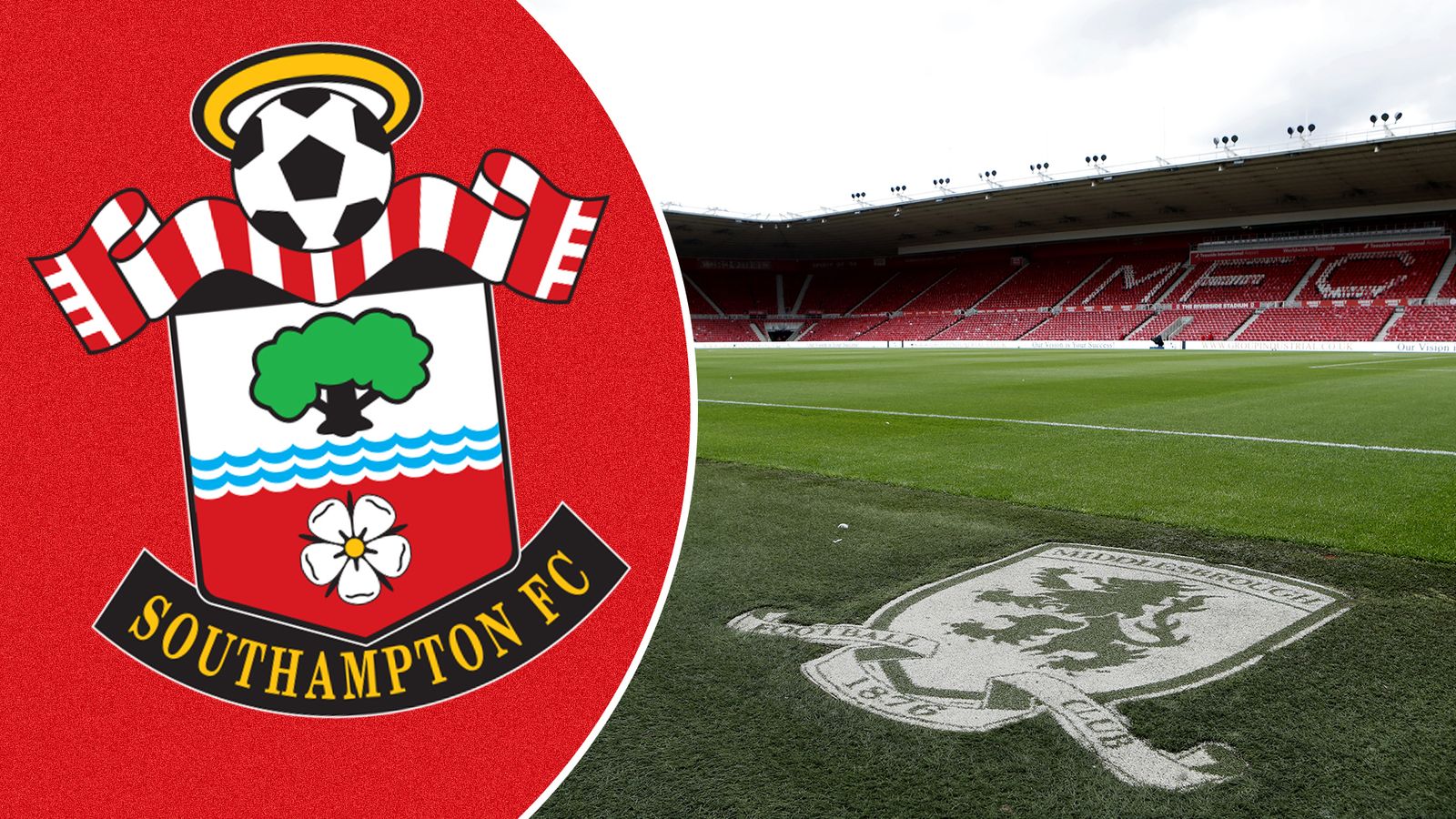
Southampton’s legal team can finally pack up their briefcases. The EFL’s dismissal of the Saints' desperate appeal, as reported by Sky Sports, means the focus permanently returns to the pitch. A brief statement from the south coast club promised they would respond with humility to the disappointing outcome. That is probably the smartest move left on the board.
The endless distraction of points deductions, boardroom posturing, and tribunal hearings has overshadowed the actual football for weeks. The fans were exhausted. The players looked mentally drained. It was a self-inflicted circus that derailed their season. Now, they face a long summer of rebuilding and reflecting on what went wrong behind the scenes.
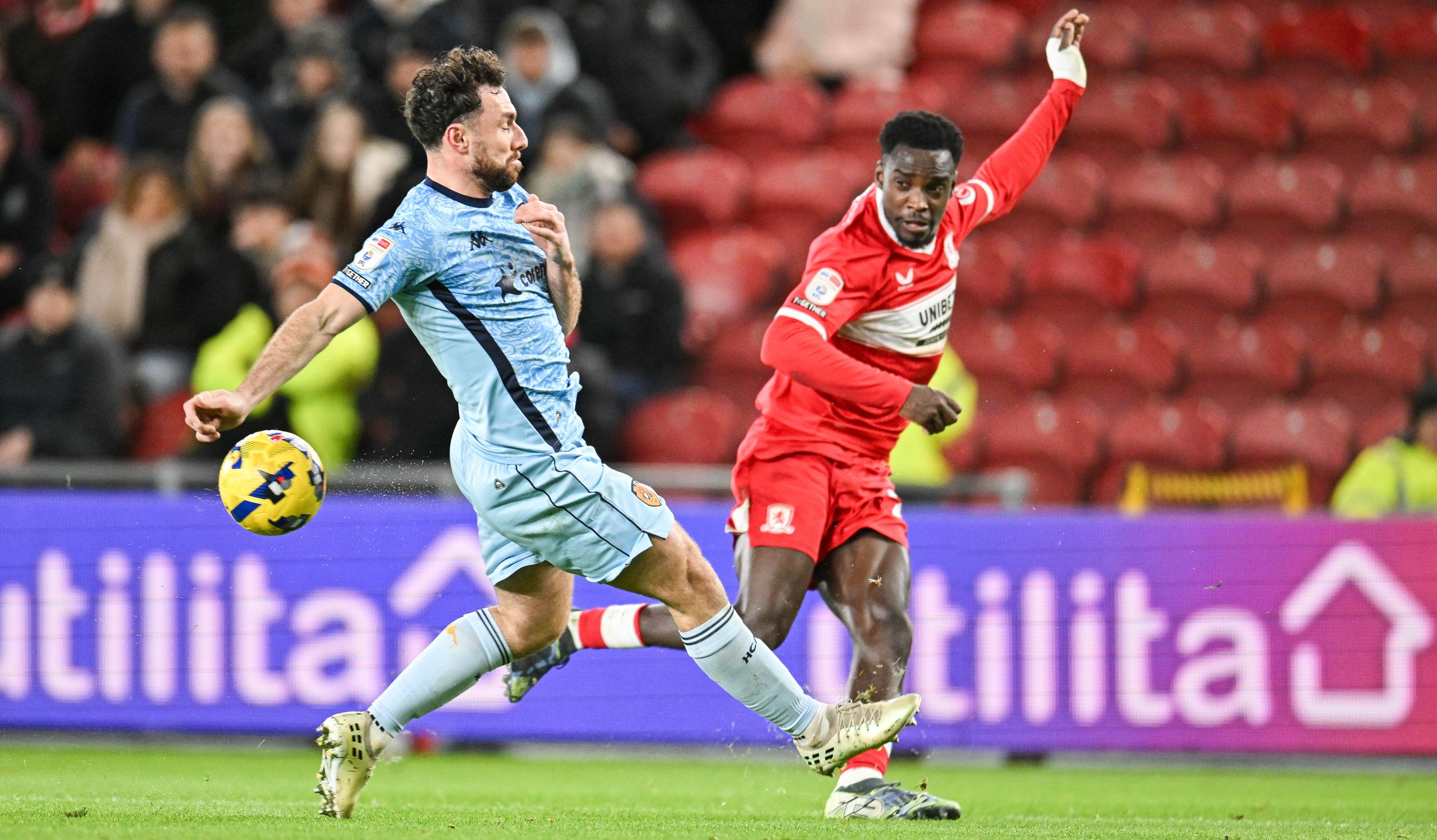
But their exit clears the stage. Wembley awaits. Middlesbrough and Hull City will contest the Championship playoff final. Frankly, this is the matchup the tactical purists wanted all along. No more courtroom drama. Just 90 minutes of high-stakes maneuvering between two of the most structurally interesting sides in the country.
This match is fascinating because neither side compromises. Both teams want the ball. Both teams want to dictate the tempo. But they go about it in completely contrasting ways. It is a genuine clash of styles on the biggest pitch in English football.
Boro's structural evolution
Middlesbrough have evolved significantly over the last eight months. Earlier in the campaign, they were wildly vulnerable to direct counter-attacks. They regularly left their center-backs isolated in high-line situations. Opposing wingers had a field day attacking the open channels.
That structural flaw has been ruthlessly ironed out on the training ground. Their rest-defense is now arguably the most robust in the division. When Boro push up in possession, their deepest midfielder drops into a pseudo-third center-back role. It sounds basic, but the execution is flawless.
They condense the central areas instantly upon losing possession. This forces opponents into wide, low-percentage transition passes. This shift has reduced their expected goals against from open play by a massive margin since January. It is a clinic in modern defensive coaching.
In possession, Boro rely on asymmetrical overloads. The left-back pushes high and wide, effectively becoming a traditional winger. The right-back tucks inside to form a back three. This allows their left winger to drift into the half-spaces and operate as a second number ten.
Hull’s defensive shape will be tested constantly by these rotations. The key for Boro is moving the ball quickly through the second phase. They do not want to hold the ball passively. They want to draw the opposition press and immediately exploit the space left behind. It is controlled, deliberate aggression.
Hull's high-wire act
Hull approach the game with a completely different rhythm. They are obsessed with controlling the tempo through short, intricate passing sequences. Their build-up play is heavily rehearsed. The goalkeeper is actively involved as a sweeping center-back in the first phase of possession.
But Hull are not without massive flaws. Their absolute insistence on playing out from the back has cost them dearly in high-pressure moments. Against high-pressing sides, their center-backs have a nasty habit of misplacing the first progression pass. It happened twice against Leeds in the semi-final. Better finishing would have ended their season right there.
There is an arrogance to their build-up that borders on reckless. They intentionally invite pressure inside their own penalty area. They hope to create space behind the first line of the press. When it works, it cuts teams wide open. When it fails, it looks completely amateurish.
Boro will know this. They will set pressing traps. Boro’s wingers will likely sit narrow, cutting off the passing lanes to Hull’s double pivot. They will allow the Hull center-backs to have the ball, waiting for a heavy touch or a telegraphed pass before springing the trap with maximum intensity.
The midfield battleground
The game will almost certainly be won or lost in the middle third. Hull’s double pivot needs to be exceptionally brave. They cannot afford to hide behind Boro’s pressing forwards. They need to constantly drop into pockets of space to offer passing options to their defenders.
If Hull can successfully bypass Boro’s first wave of pressure, they have the attacking talent to cause serious damage. Their wingers excel in one-on-one situations. Once they receive the ball in isolation against Boro’s fullbacks, they are incredibly dangerous.
However, Boro’s midfield is extremely physical. They excel at winning the second balls and breaking up play with tactical fouls. The referee will have a busy afternoon managing the persistent, strategic fouling that Boro use to disrupt rhythm.
Boro's midfield three operate with immense fluidity. One drops deep, one pushes high, and the third drifts wide to create passing triangles. Hull's man-marking system in midfield will be dragged all over the Wembley pitch. If Hull's midfielders get pulled out of position, Boro will punish the central gaps instantly.
Wide zones and touchline traps
Look out for how Boro manage the wide areas. They employ a very specific pressing scheme near the touchline. Once the ball is played to the opposition full-back, Boro lock on completely. The winger presses the man on the ball, the central midfielder cuts off the inside pass, and the striker blocks the backward pass to the center-back.
This touchline trap is devastatingly effective. It forces long, inaccurate clearances. Hull must find a way to switch the play quickly before the trap closes. The diagonal switch from center-back to the opposite winger will be an essential weapon for Hull to escape the pressure.
If Hull can execute that switch, Boro's defensive block will be forced to shift violently from one side to the other. That shifting creates gaps in the defensive line. Hull's attacking midfielders thrive on exploiting those exact gaps.
When Hull do manage to establish possession in the final third, they are brilliant to watch. They create overloads on the right flank, using their right-back as a decoy runner to open up the half-space for their inverted winger.
This pattern has yielded countless high-quality chances this season. Boro's left-sided center-back will have a massive job tracking those underlapping runs. If he steps out of the defensive line, he leaves a gaping hole in the middle. If he stays put, the Hull winger gets a free shot from the edge of the box. It is a constant series of micro-decisions.
The set-piece dynamic
Dead-ball situations cannot be ignored in a game of this magnitude. Boro have quietly become one of the most efficient set-piece teams in the division. They do not rely on traditional, looping deliveries into the mixer. Everything is calculated and practiced relentlessly.
They utilize near-post flick-ons, decoy runs, and cut-backs to the edge of the area. Their set-piece coach deserves immense credit for their output. Hull's zonal marking system, on the other hand, has looked incredibly shaky defending corners in recent weeks.
Hull tend to drop too deep, inviting pressure right onto their goalkeeper. If the game becomes gridlocked, a well-worked corner could be the deciding factor. Boro's center-backs attack the ball with real conviction. Hull's defenders often look passive in comparison, reacting to the flight of the ball rather than anticipating the drop zone.
The psychological weight
Tactics only take a team so far. The mental aspect of a Wembley final cannot be quantified, but it often dictates the outcome. The pressure is immense. The financial reward for reaching the Premier League is staggering. Players know that a single mistake will be replayed for decades.
Hull have a young squad. Many of their key starters have never played in a stadium of this size, let alone with these stakes. The early exchanges will be a massive test of their nerve. If they try to force their passing game and turn the ball over early, panic could set in.
Boro look slightly more composed. They have a core group of seasoned professionals who understand how to manage a game. They will use every dark art available to slow the game down if Hull start building momentum. Time-wasting, drawing fouls, arguing with the referee. It is all part of the strategy.
This mental edge is often the dividing line in playoff finals. The team that treats the occasion like a normal league fixture usually prevails. The team that gets swept up in the emotion usually collapses. Boro seem better equipped to handle the emotional turbulence.
Fatigue and the final stretch
The fatigue factor will also play a massive part. Wembley is an enormous pitch. The surface is slick and fast. Both teams demand extreme physical exertion from their players. The pressing systems require constant, high-intensity sprinting from the first whistle.
The final twenty minutes will be a test of pure endurance. The team that manages their energy reserves best will have a huge advantage late in the game. Substitutions will be absolutely vital. The managers need to recognize when the pressing intensity drops and inject fresh legs immediately.
Waiting too long to make a change could be fatal. In a game this tight, a tired midfielder failing to track a runner is all it takes to lose a promotion. The margins for error are non-existent.
The final verdict
This is not a game for the faint-hearted. It is a clash of two distinct footballing philosophies. Boro’s controlled aggression against Hull’s possession obsession. The tactical nuances will be fascinating to watch unfold.
Hull’s defensive frailties in the build-up phase are impossible to ignore. Boro are simply too well-organized and too ruthless in transition to let those mistakes go unpunished. Hull will have periods of dominance, but Boro will be waiting to strike.
Boro's pressing triggers are perfectly suited to exploit Hull's chaotic moments at the back. I expect a tense, cagey opening half. The game will open up as fatigue sets in. Ultimately, Boro's superior rest-defense and transition speed will be the difference.
Expect Boro to sit back slightly, absorb Hull's possession, and strike with lethal efficiency on the counter. The scoreline might flatter the victors, but the tactical superiority will be clear. The Championship is brutal, but Boro look ready for the step up.
Prediction: 2-0 Boro.
Read Next
- Allegri's lockdown faces a sold-out San Siro as Jorge Mendes circles Milan
- The EFL's Spygate Sequel Is a Crisis of Its Own Making
- The Spygate Farce Repeats: Hull Are Right to Be Furious at a Toothless EFL
- Celtic, Hearts, and the tactical cost of a stadium at war
- 🏟 EFL Championship 2025-26 — Promotion Race & Play-Off Final Hub
- 🏆 FA Cup Final 2026 — May 16, Wembley