The noise fades, the football remains
The EFL has spoken, and the boardroom theatrics are officially over. Southampton's desperate final appeal regarding the so-called 'Spygate' incident has been dismissed. We won't be seeing any unprecedented points deductions or retroactive disqualifications.
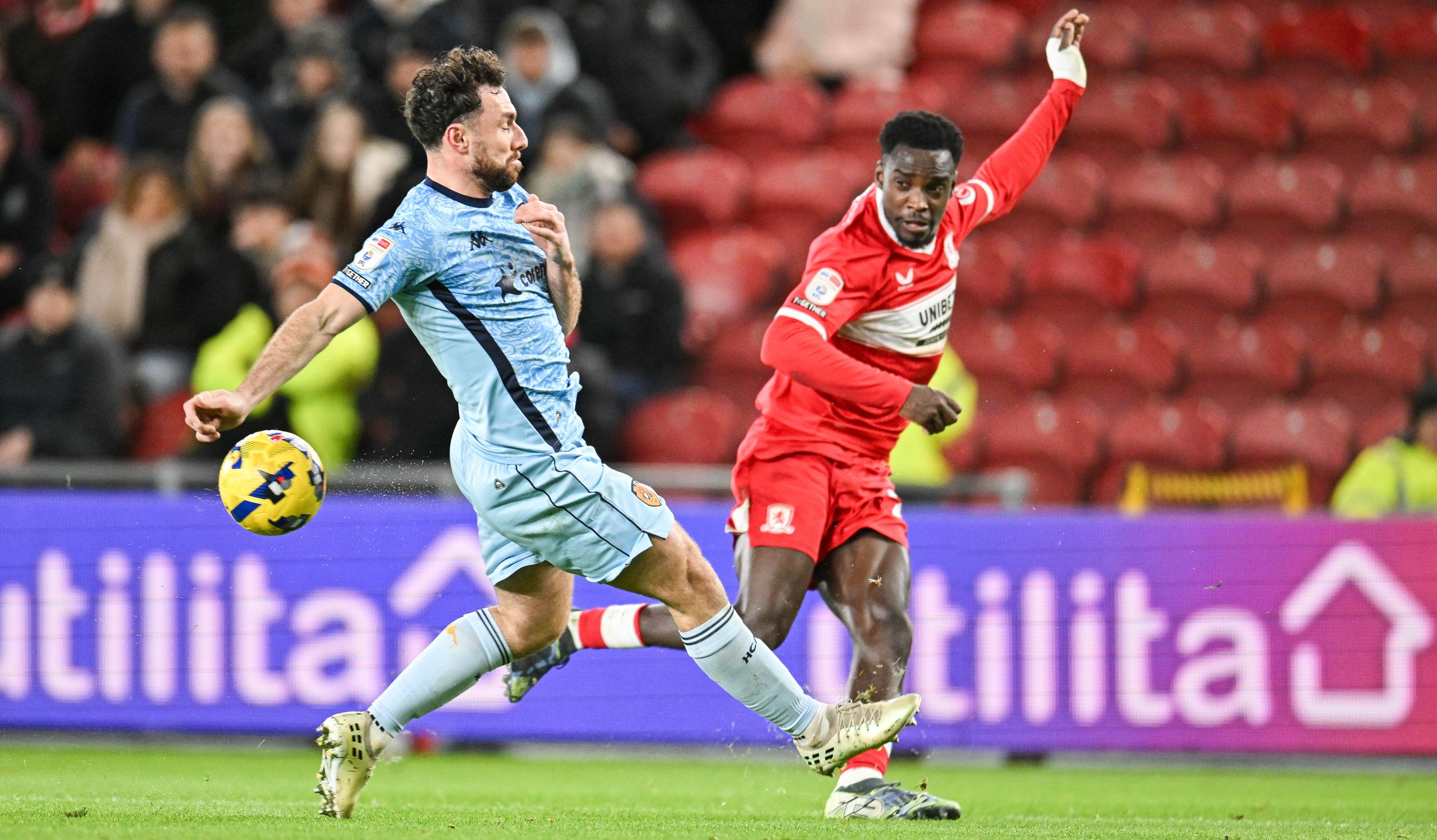
Middlesbrough and Hull City are going to Wembley. It is a relief for anyone who actually cares about what happens on the pitch. The entire buildup to this Championship play-off final had been hijacked by accusations of drones over training grounds and leaked tactical dossiers.
Southampton felt aggrieved after their semi-final exit, but the independent commission found no actionable breach of EFL regulations. The timing of the appeal felt desperate. It was a final roll of the dice from a club staring down the barrel of another season in the second tier.
Boro maintained their innocence throughout, insisting their analytical department simply watched publicly available tactical feeds. The commission agreed, tossing out the appeal late on Tuesday evening. Now, the focus finally shifts to the grass.
What we have under the arch this weekend is a fascinating clash of styles. Two managers who demand the ball, but use it in entirely different ways. Two squads built on smart recruitment rather than parachute-payment gluttony.
It is the most lucrative match in world football. But structurally, it feels like a chess match disguised as a scrap.
Carrick's asymmetric machine
Middlesbrough's route to Wembley has been built on a very specific structural imbalance. On paper, they line up in a standard 4-2-3-1. In practice, it looks completely different in possession.
Boro's buildup structure is a masterclass in controlled manipulation. The deeper pivot player constantly drops between the center-backs. This allows both full-backs to push high simultaneously if required.
But their primary weapon is the asymmetrical shape on the left. The left-back bombs forward, hugging the touchline to stretch the opposition defense horizontally. This lateral stretch is the essential mechanism that unlocks the interior channels.
By dragging the opposition right-back out wide, Boro create a massive gap between the right-back and the right-sided center-half. It is a shape designed to bait the opposition press. By keeping the ball in deeper, central areas, Boro invite teams to jump.
The moment the opposition shape fractures, they spring the trap. They bypass the press with a sharp vertical pass into the feet of the dropping striker or the inverted winger.
Hull are going to have to decide exactly how they want to handle this. If their wingers track Boro's full-backs, they end up pinned in a flat back six, ceding total control of the midfield.
If they stay narrow to congest the center, they leave their own full-backs exposed to 2-v-1 overloads out wide. This is where Boro have killed teams all season.
Hull's stubborn possession
Hull City present a different kind of problem. They are arguably the most patient team in the division. Sometimes, that patience borders on the excruciating.
They build from the back with a stubbornness that often draws groans from their own supporters. The two center-backs split wide. The goalkeeper steps up into the defensive line to act as a third center-back in possession, and the double pivot drops aggressively deep.
The goal is to draw the opposition out, pass through the first line of pressure, and then accelerate the tempo in the final third. When it works, it looks brilliant. When it fails, it results in terrifying turnovers on the edge of their own penalty area.
Boro are an excellent pressing side, which makes this phase of the game the defining battleground. Will Boro commit four men high to disrupt Hull's buildup, risking being played through?
Or will they sit in a mid-block and allow Hull to pass the ball sideways along the halfway line? My suspicion is Boro will pick their moments. They will set pressing traps, allowing the first pass to the center-back, but suffocating the second pass into the midfield pivot.
The critical flaw in Hull's design
For all of Hull's aesthetic appeal, there is a glaring weakness in how they defend the wide areas. It is a structural failing their manager has stubbornly refused to fix.
Their defensive block is extremely narrow. They prioritize protecting the penalty spot above all else. This forces opposition teams wide, which is generally a sound statistical approach, as crosses are low-percentage actions.
However, Boro do not cross blindly. They use the wide areas to trigger cut-backs. Because Hull's midfielders drop so deep to protect the center-backs, there is frequently a massive void of space on the edge of the penalty area.
The 'zone 14' is consistently left vacant when Hull are penned in. I have tracked Hull's defensive actions over the last three months, and a concerning pattern emerges when they face fluid attacking systems.
Their midfield anchor is often caught in two minds. Does he step up to engage the ball carrier, or does he drop into the defensive line to track runners? Too often, he does neither.
He floats in a passive zone that allows opposition playmakers to dictate terms unbothered. This passive defending in central areas is the reason they have conceded late goals this season and struggled against teams with raw transitional speed.
If Boro's inverted wingers can find pockets of space in that specific area, they are going to get clear shots on goal. Hull have relied heavily on their goalkeeper making spectacular saves from distance, but variance is a dangerous mistress at Wembley.
The individual duels that matter
While systems provide the framework, individual duels dictate the reality of a match. The most pivotal clash on the pitch will occur on Hull's right flank.
Boro's aggressive left-sided overloads mean Hull's right-back is going to face a relentless barrage of 2-v-1 situations. Hull's right-winger is notoriously reluctant to track back.
He prefers to cheat his defensive positioning, staying high to offer an immediate outlet in transition. It is a calculated gamble to keep an attacking threat alive, but against Boro, it borders on tactical suicide.
If the winger doesn't track Boro's advancing left-back, Hull's right-back will be isolated. He will be forced to make split-second decisions. Step out to confront the ball and leave the runner in behind, or drop off and allow an uncontested cross.
Conversely, Boro's center-backs cannot afford to lose focus against Hull's dynamic number nine. He doesn't operate as a traditional target man.
Instead, he constantly peels off the shoulders of defenders. He makes darting runs into the channels between the center-back and the full-back. He only needs one lapse in concentration to exploit the space in behind.
Predicting the chaos
Wembley finals are notoriously cagey affairs. The financial stakes—often cited at around £140m in basic broadcast revenue—tend to paralyze players. Risk aversion becomes the default setting.
But the Spygate drama adds an unusual emotional undercurrent to this fixture. Southampton's failure to get the result overturned means the narrative is purely focused on these two squads.
Boro come into the game feeling vindicated. Hull come in looking to exploit any lingering distractions in the Middlesbrough camp.
I expect the first thirty minutes to be a tense, tactical stalemate. Hull will probe with sterile possession, while Boro wait for a passing trigger to launch their press.
The breakthrough will likely come from a transition. Hull's narrow defensive shape is going to afford Boro too much room in the half-spaces.
Once Boro break the initial line of pressure, their ability to overload the left flank is going to cause severe problems. Hull will have moments of dominance, but Boro look like the more complete, battle-hardened unit.
They have multiple ways to hurt an opponent. Hull, on the other hand, are heavily reliant on their primary passing patterns working flawlessly.
Tactics dictate the probability, but execution decides the outcome. Boro's structure simply looks more robust against Hull's specific defensive weaknesses.
Prediction: A tight, edgy affair that breaks open in the second half. Boro to secure a 2-1 victory and punch their ticket back to the top flight.