A cheeky headline, a deeper tactical problem
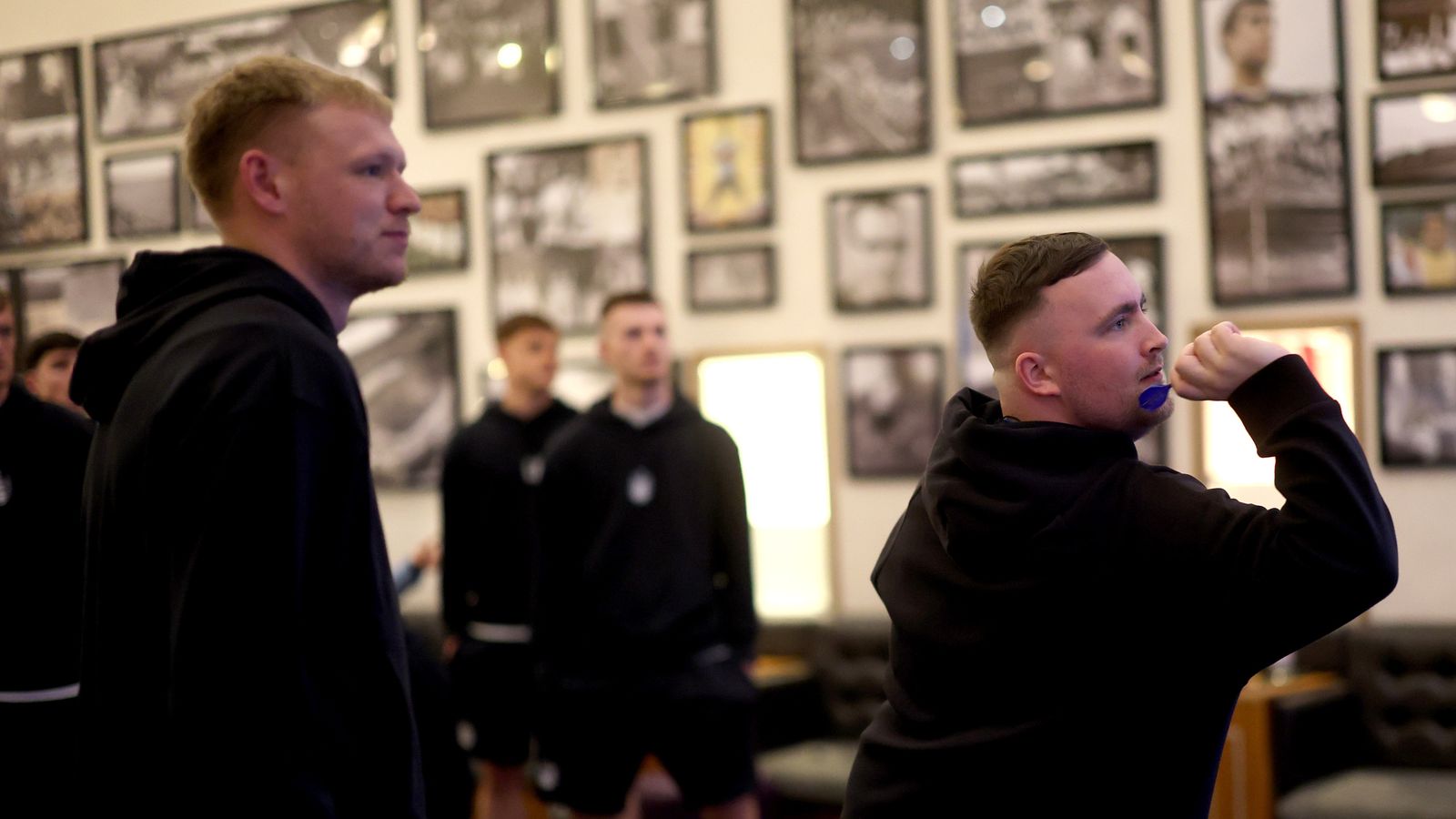
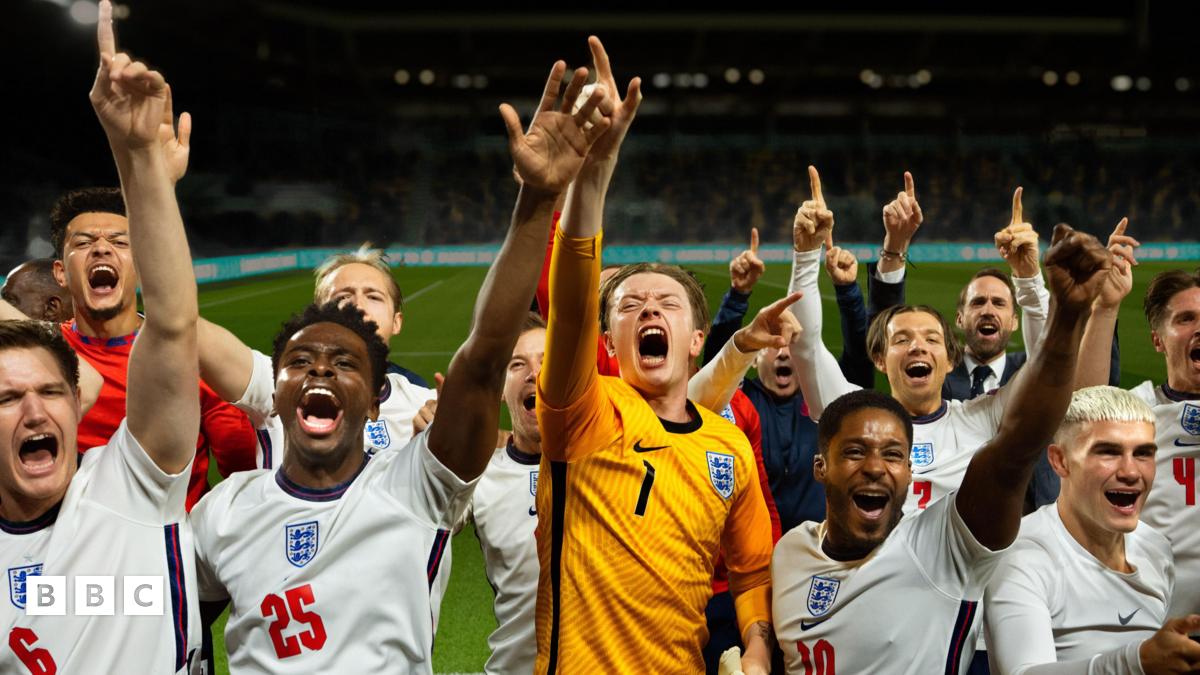
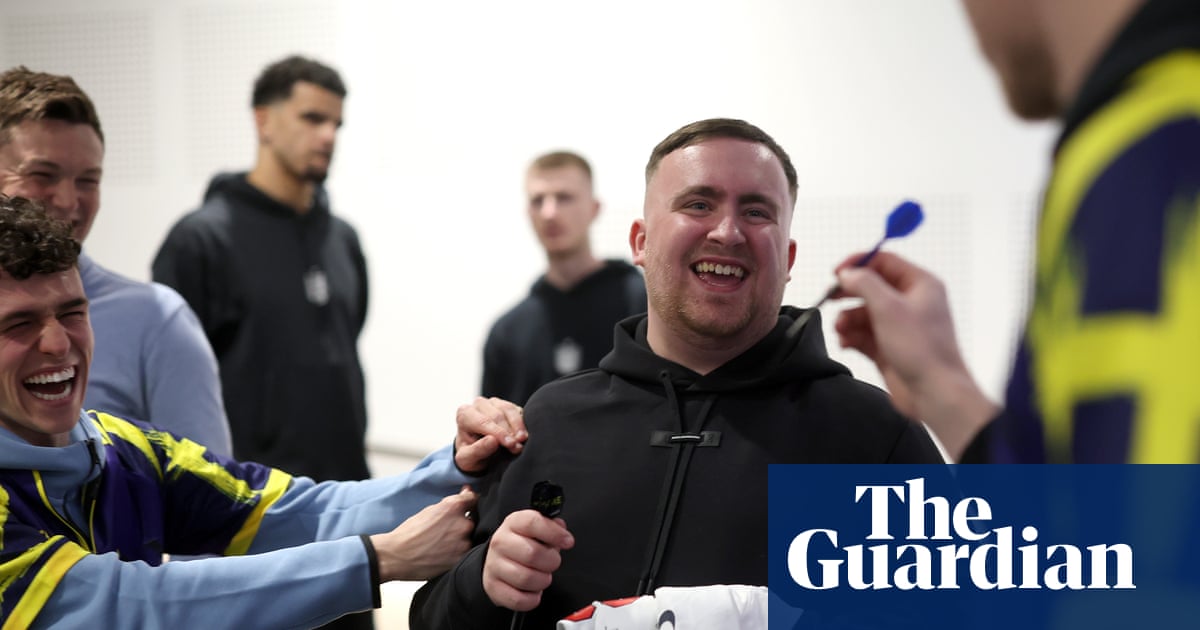
Luke Littler showing up at St George’s Park to teach the England squad "how to hit the target" is prime tabloid fodder. It practically writes itself. The double world darts champion dropping by to host a quick tournament just 78 days out from the 2026 World Cup is a fun distraction. As The Guardian reported this morning, the young darts phenom was thrilled by the invitation.
"It was a dream as a football fan to come here." — Luke Littler
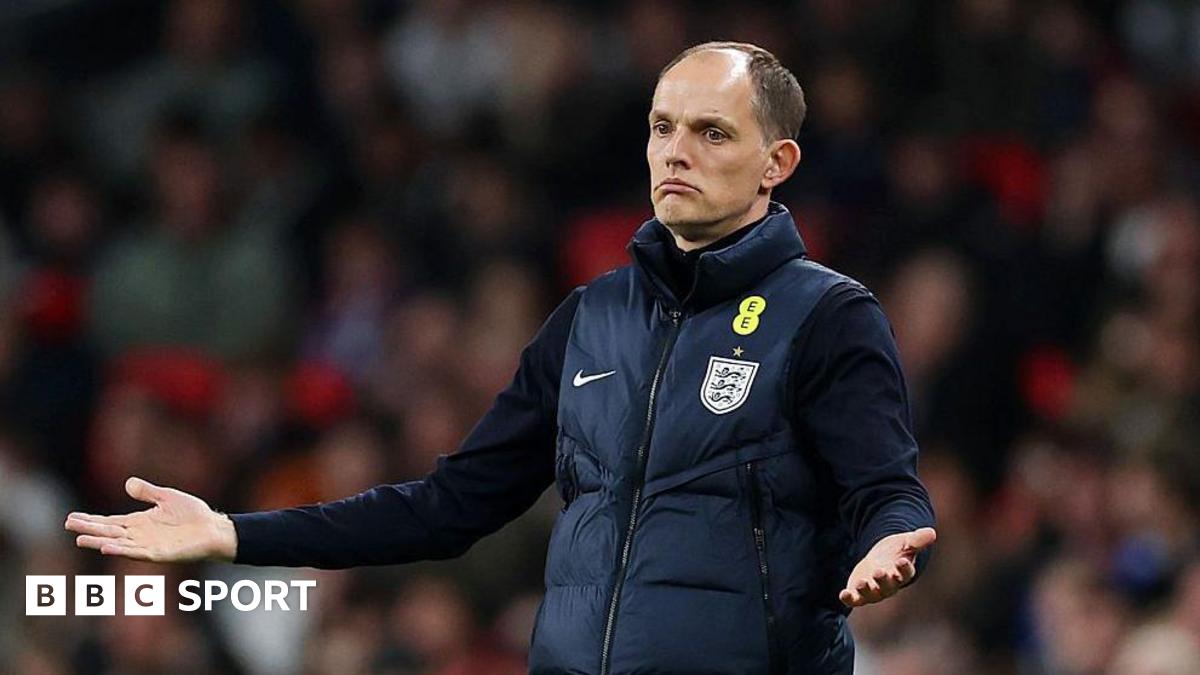
It’s exactly the kind of relaxed, vibes-based team bonding exercise we’ve come to expect from the national team setup. But strip away the PR gloss, and the joke cuts a little too close to the bone for Thomas Tuchel.
England actually do have a massive problem hitting the target.
And a few rounds of 501 aren't going to fix a systemic issue in the final third. The reality is that the squad gathered at St George's Park right now is carrying the weight of multiple near-misses. They are looking for an edge to finally get over the line in North America. But the issues holding them back aren't mental blocks that can be cured by throwing arrows in the players' lounge. They are deeply ingrained tactical flaws.
The rigid reality under Tuchel
Let's look at the actual numbers. Since Tuchel took over the touchline, the defensive structure has solidified. That much was entirely expected. The double pivot—usually featuring Declan Rice alongside either Kobbie Mainoo or Adam Wharton—operates with a mechanical efficiency. They shield the back four and dictate the tempo against mid-tier opposition without breaking a sweat. But look at the shot maps from the last four international breaks. They are genuinely alarming.
Against low blocks, England's possession turns stale. They recycle the ball in a U-shape around the penalty area, moving it from left to right and back again without ever penetrating the box. The xG accumulates through low-probability shots from outside the area rather than high-value chances cut back from the byline. It is possession without purpose.
Harry Kane is forced to drop deeper and deeper to orchestrate play because the midfield lines are too disconnected. Phil Foden drifts inside into congested zones, essentially suffocating his own space. Jude Bellingham makes the late run, but the timing is frequently disjointed. The attacking patterns feel improvised, relying on someone to do something spectacular rather than trusting a rehearsed sequence.
Tuchel is a world-class pragmatist. He won the Champions League with Chelsea by turning them into a defensive juggernaut that countered with terrifying venom. But international football is a completely different beast. You don't get 40 domestic games to drill an automated pressing trigger into your squad. You get a few weeks in June.
When you rely heavily on individual brilliance to unlock elite defenses, you eventually run into a team that simply doesn't make mistakes. And that is exactly where England’s campaign will end.
The underlying creation metrics
Consider England's performance metrics against top-10 FIFA ranked nations over the past year. Their chance conversion rate is hovering stubbornly below 14 percent. That is simply not good enough to win a 48-team World Cup. For context, the teams that usually lift the trophy are converting at a rate closer to twenty percent in the knockout rounds.
We saw this exact same flaw during the latter days of the Gareth Southgate era. The transition to Tuchel was supposed to inject a layer of attacking ruthlessness. Instead, we are seeing the same hesitation in the penalty area, just wrapped up in a more sophisticated pressing scheme.
Bukayo Saka is a prime example. He is frequently left isolated on the right flank for terrifying stretches of the match. When he finally receives the ball, he is routinely facing a double-team from the opposition full-back and a covering midfielder. The overlapping runs from England's full-backs are either too slow or completely non-existent, failing to create the necessary overloads to free him up.
This isn't just a finishing problem in isolation. It is a chance creation problem disguised as bad luck.
Why the darts analogy completely fails
Littler stands at the oche alone. He relies entirely on muscle memory, nerve, and singular focus. If he misses double top, the blame rests squarely on his shoulders. Football doesn't work that way, no matter how much we want to individualize the blame when a striker misses a sitter.
When an England forward drags a shot wide of the post, the camera aggressively zooms in on their face. The commentators instantly bemoan the lack of composure. But pause the tape. Look at the buildup leading to the shot. Look at the body shape of the forward receiving the pass. Nine times out of ten, the final ball was played a fraction of a second too late, forcing the striker to adjust his stride and snatch at the shot.
Tuchel's system heavily prioritizes control above all else. It fears the counter-attack to an almost pathological degree. Because the midfield is instructed to hold their shape defensively, the attacking transitions constantly lack numerical superiority. The forwards are constantly shooting under extreme physical and temporal pressure.
You simply cannot teach a striker to be calm in the box when the overarching tactical setup is actively stressing them out on every possession.
Predicting the North American campaign
So, where does this leave England heading into the summer? We are exactly 78 days away from the tournament kickoff. The squad is largely settled. The manager's philosophy is thoroughly baked in. There are no major tactical revolutions coming between now and the flight across the Atlantic.
Here is exactly how this World Cup run plays out.
England will cruise through the expanded group stage. They will look completely dominant against overmatched opponents. The media will praise Tuchel's tactical genius after a routine 4-0 thrashing of a Pot 3 team. The hype machine will inevitably shift into overdrive, as it always does.
They will win their Round of 32 and Round of 16 matches by grinding out ugly 1-0 or 2-0 results. The defense will hold firm, frustrating mid-tier European or South American sides. A singular moment of magic from Bellingham or a penalty from Kane will be the defining difference in those matches.
Then comes the quarter-final stage. They will draw a legitimate heavyweight. It will be France, Brazil, or a surprisingly cohesive Spanish side.
It will be a tight, cagey affair. England will have the lion's share of sterile possession. They will create two, maybe three golden opportunities over the course of an agonizing 120 minutes. And they will miss them.
The opposition will get one clean look on the counter-attack, probably exploiting the space left behind a tired full-back in the 82nd minute. They will score. England will throw men forward in a desperate, unstructured panic, but it will be entirely too late to salvage the result.
The post-match autopsy will be brutal. Pundits will loudly claim the players choked under the weight of the shirt. They will talk endlessly about mentality, desire, and passion. They might even joke that they should have paid more attention to Luke Littler's darts lesson back in March.
But the truth will be right there on the tactical cam. It will show a rigid system that prioritized not losing over actively winning. It will show a team that completely forgot how to create high-quality chances when the margins were razor-thin. England are undeniably a very good team. But they are not ruthless. And in a World Cup knockout game, being very good just means you get to fly home a week earlier than the champions.
Read Next
- Chelsea's Champions League dream is over before the second leg begins
- The ghost of George Raynor haunts England's World Cup prep
- Why 90-second football trivia masks the brutal reality of the 92
- Why Palace's trip to Fiorentina is the tactical bloodbath of the season
- 🏆 World Cup 2026 — Full Coverage Hub
- 🏴 England World Cup 2026 — Three Lions Hub