The physical cost of an invisible condition
Football analysis is increasingly built on numbers. We track sprints, we monitor heat maps, and we dissect expected goals. If a player pulls a hamstring, the medical staff know the exact millisecond the muscle fiber tore.
The data dictates the narrative.
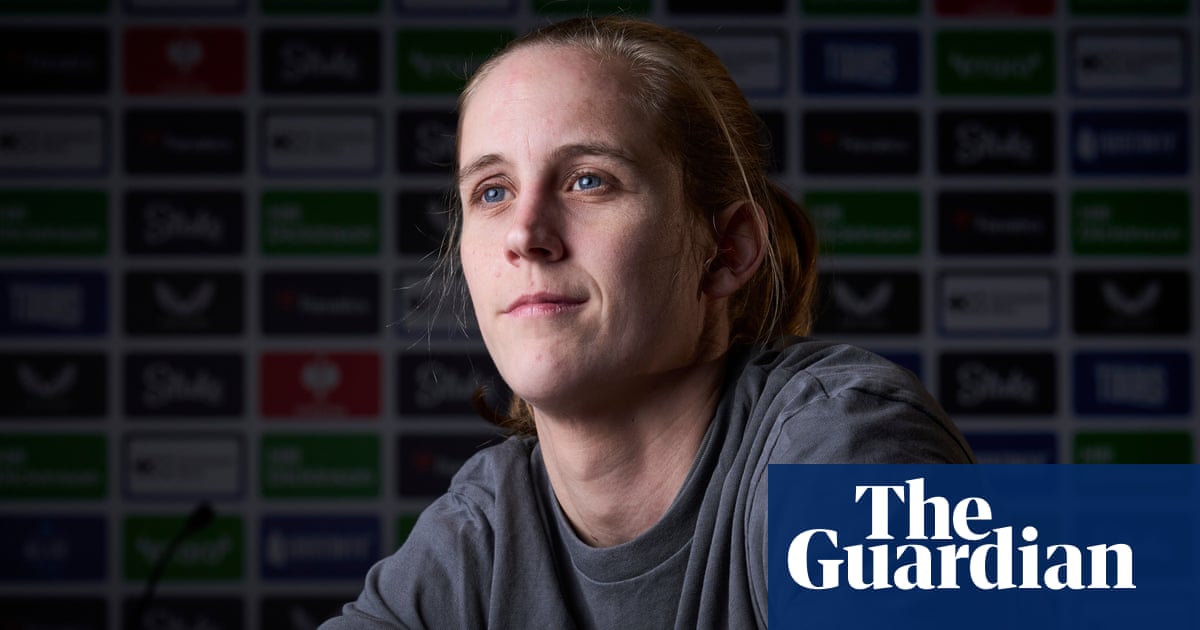
But data is blind to what it cannot measure. For Katja Snoeijs, the issue was not a measurable muscle strain or a twisted ankle.
It was a silent, agonizing condition that wrecked her form and left supporters wondering why the Dutch international was struggling to make an impact. As BBC Sport reported, she described the pain in brutal terms:
"Like being stabbed in stomach."
That is not a minor knock. You do not run that off with a spray of magic sponge. It is endometriosis, and its revelation completely rewrites the story of Everton's season.
We spend countless hours analyzing attacking patterns. We pull apart Brian Sorensen's tactical setup and criticize forwards for looking lethargic. But tactical breakdowns are useless when the focal point of the attack is operating through intense, stabbing pain.
The medical failure in women's football
There is a serious problem with how elite clubs handle women's specific health issues. The Women's Super League is fully professional, with clubs boasting state-of-the-art facilities and armies of sports scientists.
Yet, players are still left to advocate for themselves just to get a basic diagnosis.
According to The Guardian, the breaking point came when the abdominal pain became so severe that Snoeijs had to be substituted at half-time during an Everton match. Her advice to other players dealing with ignored symptoms is incredibly telling:
"Trust your own feeling."
That quote is a damning indictment of football's medical culture. A top-flight striker should not have to fight the system to get answers for a condition that affects roughly one in ten women.
If a high-profile male player experienced stabbing abdominal pain during a match, he would be in an MRI machine before the final whistle. Specialists would be consulted immediately.
Instead, female athletes are historically told to manage the discomfort or push through the pain barrier. It is a ridiculous double standard that directly impacts results on the pitch.
The biomechanics of playing through pain
To grasp why this diagnosis matters on the pitch, you have to look at the mechanics of playing as a lone striker. Everton rely heavily on transitions. They need their number nine to be a willing runner, stretching the defense and holding the ball up to bring the midfield into the game.
That role requires elite core strength. Every time you shield the ball from an aggressive center-back, every time you violently change direction to initiate a high press, you engage your abdominal muscles.
When your core is compromised by the severe inflammation of endometriosis, your entire mechanical chain breaks down.
Think about the simple act of striking a football. The power does not just come from the leg. It transfers from the ground, through the hips, and explodes through the torso.
If your abdomen is radiating pain, your brain subconsciously alters your mechanics to protect the area. You snatch at shots. You lose the half-yard of pace required to beat the offside trap.
Snoeijs looked a shadow of the forward who earned her reputation in the Eredivisie. Now we know why. She was quite literally operating on limited capacity, trying to execute complex tactical instructions while her body was failing her.
This explains the erratic finishing we see when players carry hidden issues. They take an extra touch because they lack the physical confidence to hit the ball first time. In a league as tight as the WSL, a split-second delay is the difference between a goal and a blocked shot.
The broader context of WSL squad depth
Everton's situation highlights another major issue in the WSL: squad depth. When a top team like Chelsea or Arsenal loses a striker to injury, they can pull a world-class replacement off the bench.
They can absorb the loss without changing their entire tactical approach.
Everton do not have that luxury. Their squad is built around specific profiles.
When Snoeijs is not functioning at one hundred percent, the entire team suffers. The wing-backs have no target to hit.
The midfielders are forced to hold the ball longer, leading to turnovers in dangerous areas. It is a domino effect that starts with the number nine and ends with the goalkeeper picking the ball out of the net.
This is why her return to fitness is so vital. She is not just a goalscorer; she is the tactical lynchpin that allows Sorensen's system to operate. Without her pinning back the opposition's center-backs, Everton's midfield gets overrun.
What happens next for Everton
Clarity changes everything. Getting a formal diagnosis is the biggest hurdle. It means Snoeijs and the medical department can finally build a targeted management strategy.
This is not about a magical overnight cure. It is about controlling the flare-ups and managing her physical load intelligently.
We are going to see a vastly improved player for the remainder of the campaign. The psychological relief of knowing exactly what is wrong is massive.
When a player thinks they are just losing their touch, their confidence vanishes. When they realize a medical condition was the culprit, the mental block disappears.
The final verdict
I predict a sharp turnaround for Everton. The narrative right now is that they are a blunt team destined to struggle at the bottom end of the table. Critics look at the xG numbers and write them off.
But those stats are heavily skewed by the fact that their primary attacking weapon was compromised. Everton's recent form has been a frustrating watch — plenty of structural solidity, but a severe lack of cutting edge in the penalty area.
They have dropped points in matches they had no business losing simply because they could not finish their dinner.
Here is my call. Everton's attack will click, and they will comfortably secure mid-table safety. I am backing Snoeijs to be the catalyst and score at least four goals before the season ends.
She has the technical pedigree to bully WSL defenders. More importantly, she now has the medical support to manage her body properly. That completely alters the calculation for Everton's upcoming fixtures.
By speaking out, Snoeijs is forcing the game to confront an uncomfortable reality. ACL injuries dominate the medical discourse in the women's game, but invisible conditions like endometriosis are quietly derailing careers.
Next time a player looks inexplicably off the pace, maybe the analysts should pause before questioning their work rate. The truth on the pitch is often far more complex than the numbers suggest.